No products in the cart.
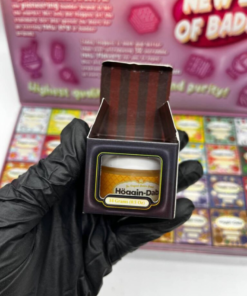
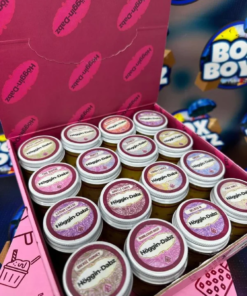
Hoggin Dabz Shatter
Price range: $110.00 through $1,050.00
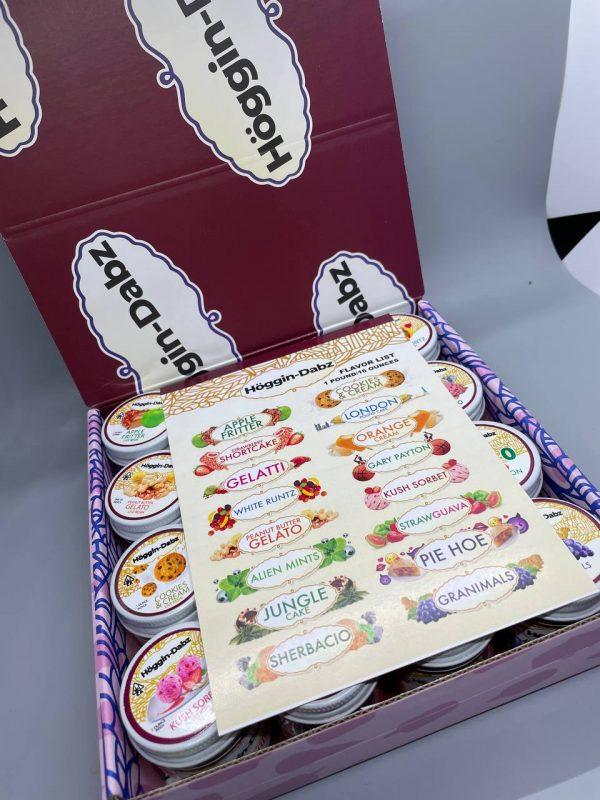
Hoggin Dabz Shatter is a shatter-style cannabis concentrate known for its firm, glass-like texture and distinctive aroma. Product characteristics, cannabinoid content, and terpene profiles may vary by batch, so check current labeling and laboratory information for details.
Hoggin Dabz Shatter – Shatter Dab Wax Guide
Hoggin Dabz Shatter is a cannabis concentrate recognized for its firm, glass-like appearance and distinctive shatter-style consistency. For people researching shatter dab wax, understanding the difference between texture, cannabinoid content, terpene profile, and extraction terminology can make product information easier to interpret.
Shatter is one of several concentrate formats available in regulated cannabis markets. Its characteristic translucent appearance and brittle texture distinguish it from softer concentrates such as badder, wax, and some forms of crumble. However, appearance alone does not indicate potency or quality, so current product labeling and laboratory testing remain important.
What Is Shatter Dab Wax?
Shatter dab wax is an informal term that combines two commonly used concentrate descriptions. “Shatter” generally refers to a firm, brittle concentrate, while “wax” can refer more broadly to cannabis extracts with softer or wax-like characteristics.
Although the terminology can overlap in online searches, shatter typically has a more rigid structure than traditional wax. It may appear transparent, translucent, amber, golden, or darker depending on the source material and processing.
The exact characteristics of Hoggin Dabz Shatter can vary between batches. Consumers researching shatter dab wax should therefore rely on the product’s current label and available laboratory information rather than using appearance as a measure of cannabinoid concentration.
Hoggin Dabz Shatter Texture
Texture is one of the defining features of Hoggin Dabz Shatter. Properly described shatter commonly has a firm structure that can become more flexible under warmer conditions and more brittle in cooler environments.
Environmental exposure can affect concentrate texture over time. Heat, light, oxygen, and moisture may influence its appearance and consistency. Changes in texture do not necessarily indicate a change in cannabinoid content, which is why laboratory testing is more useful for understanding measurable product characteristics.
Cannabinoid Profile
Cannabinoids are naturally occurring compounds found in cannabis. THC and THCA are two cannabinoids frequently listed on concentrate packaging.
THCA is the acidic precursor associated with THC and occurs naturally in raw cannabis. THC is the cannabinoid commonly associated with cannabis’s intoxicating effects.
The term shatter dab wax describes a concentrate format or informal product category rather than a specific cannabinoid percentage. A shatter product can have a different cannabinoid profile from another product with a similar appearance.
For accurate information about Hoggin Dabz Shatter, check the current batch-specific label and laboratory results where available.
Aroma and Terpene Profile
Terpenes contribute to the aroma and flavor characteristics associated with cannabis. Different source cultivars can produce profiles that include citrus, pine, floral, herbal, earthy, berry, or tropical notes.
The aroma of Hoggin Dabz Shatter can depend on the source material and processing methods. Product descriptions may use strain or flavor names to communicate general sensory characteristics, but these names are not standardized measurements.
For people comparing shatter dab wax products, terpene information can provide additional context about aromatic characteristics. Laboratory terpene results are generally more informative than relying solely on a product name.
Shatter Compared With Other Concentrates
Cannabis concentrates are available in several physical formats. Shatter is generally associated with a firm and brittle consistency, while badder is usually softer and creamier. Crumble tends to have a drier, more crumbly texture, and wax is commonly used as a broader description for softer concentrates.
These terms primarily describe physical characteristics and processing styles. They should not automatically be interpreted as indicators of potency, purity, or overall quality.
This distinction is particularly useful when researching shatter dab wax, because online terminology can sometimes use “wax,” “shatter,” and “concentrate” interchangeably even though the products may have noticeably different physical properties.
Packaging and Product Information
Packaging plays an important role in protecting cannabis concentrates from environmental conditions. Secure containers can help limit exposure to light, oxygen, moisture, and temperature changes.
Depending on the jurisdiction, regulated cannabis packaging may include information such as product weight, cannabinoid percentages, batch identification, testing details, ingredients where applicable, and regulatory warnings.
When researching Hoggin Dabz Shatter, the current packaging should be considered the authoritative source for batch-specific information. Online descriptions can become outdated when product formulations or batches change.
Understanding Shatter Dab Wax Reviews
Reviews can provide useful observations about characteristics such as texture, aroma, appearance, packaging, and consistency. However, individual reviews should not be treated as substitutes for laboratory testing.
A reviewer’s experience may also differ from another person’s experience because cannabis products can vary by batch and individual sensitivity. When evaluating shatter dab wax, it is therefore helpful to separate subjective observations from measurable information such as cannabinoid and terpene testing.
Why Product Details Matter
Understanding concentrate terminology can make cannabis product information easier to navigate. Hoggin Dabz Shatter can be described through its physical consistency, source material, cannabinoid profile, terpene characteristics, and packaging.
The phrase shatter dab wax is useful as a search term, but it does not define every characteristic of a product. Shatter primarily describes a physical format, while cannabinoid names identify chemical compounds and terpene information describes aromatic components.
For the most accurate understanding of Hoggin Dabz Shatter, readers should consult current product labeling, batch-specific laboratory documentation, and the cannabis regulations applicable to their location.
| Quantity | Apple Fritter, Cookies And Cream, Short Cake, Orange Cream, White Runtz, Kush Sorbet, Peanut Butter Gelato, Straw Guava, Alien Mint, Jungle Cake, Quarter Pound (4 Flavors Mixed), Half Pound (8 Flavors Mixed), Full Pound (16 Flavors Mixed) |
|---|
Be the first to review “Hoggin Dabz Shatter”
Related products
Sale!
diamonds
Price range: $70.00 through $700.00
Live Resin Badder
Price range: $100.00 through $1,050.00
Sale!
crumble wax
Price range: $90.00 through $950.00
Reviews
There are no reviews yet.